1 January, 2026
Choosing the right surface material is one of the most important decisions in any residential or commercial project. From luxury villas to modern apartments and commercial spaces, flooring and wall finishes define the overall aesthetics, durability, and maintenance requirements of a space. Among the most debated choices today are satvario tiles and natural marble.
While natural marble has long been associated with elegance and timeless appeal, modern alternatives like satvario tiles and vitrified tiles are rapidly gaining popularity due to their performance and cost efficiency. This blog offers a detailed comparison of satvario tiles vs natural marble, helping you understand their advantages, limitations, costs, and ideal applications so you can make an informed decision.
What Are Satvario Tiles?
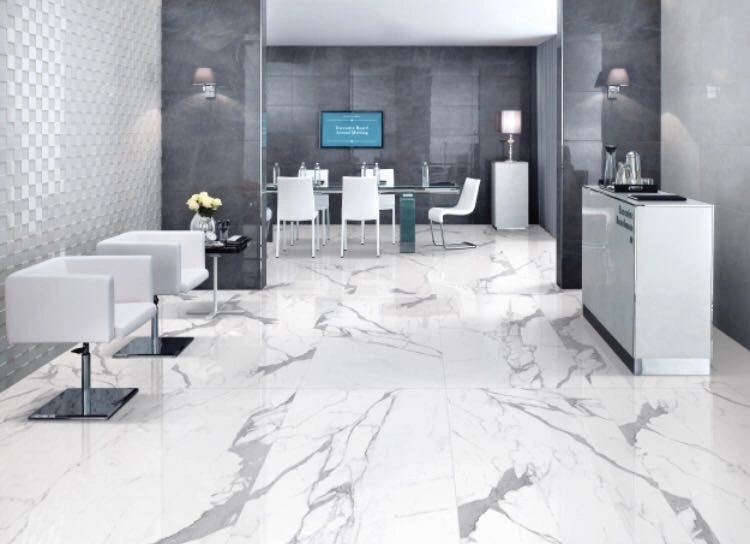
Satvario tiles are high-quality engineered tiles designed to replicate the appearance of premium marble while offering superior durability and low maintenance. These tiles are typically manufactured using advanced ceramic or vitrified tile technology, ensuring strength, uniformity, and long-lasting performance.
Composition and Manufacturing
Satvario tiles are produced from refined clay, silica, feldspar, and other minerals, fired at extremely high temperatures. This process makes them dense, non-porous, and highly resistant to moisture and stains. Many satvario tiles fall under the category of vitrified tiles, known for their low water absorption and high strength.
Design Options
One of the biggest advantages of satvario tiles is design flexibility. They are available in:
-
White satvario tiles for bright, minimal interiors
-
Black satvario tiles for bold, contemporary spaces
-
Polished, matte, and satin finishes
-
Marble-look patterns inspired by Calacatta and Statuario stone
Why Satvario Tiles Are Popular
-
Consistent patterns without natural imperfections
-
Suitable for high-traffic areas
-
Easy installation and replacement
-
Competitive satvario tiles price compared to marble
Due to these benefits, satvario tiles for kitchen floors, walls, and even countertops are increasingly preferred in modern homes.
What Is Natural Marble?
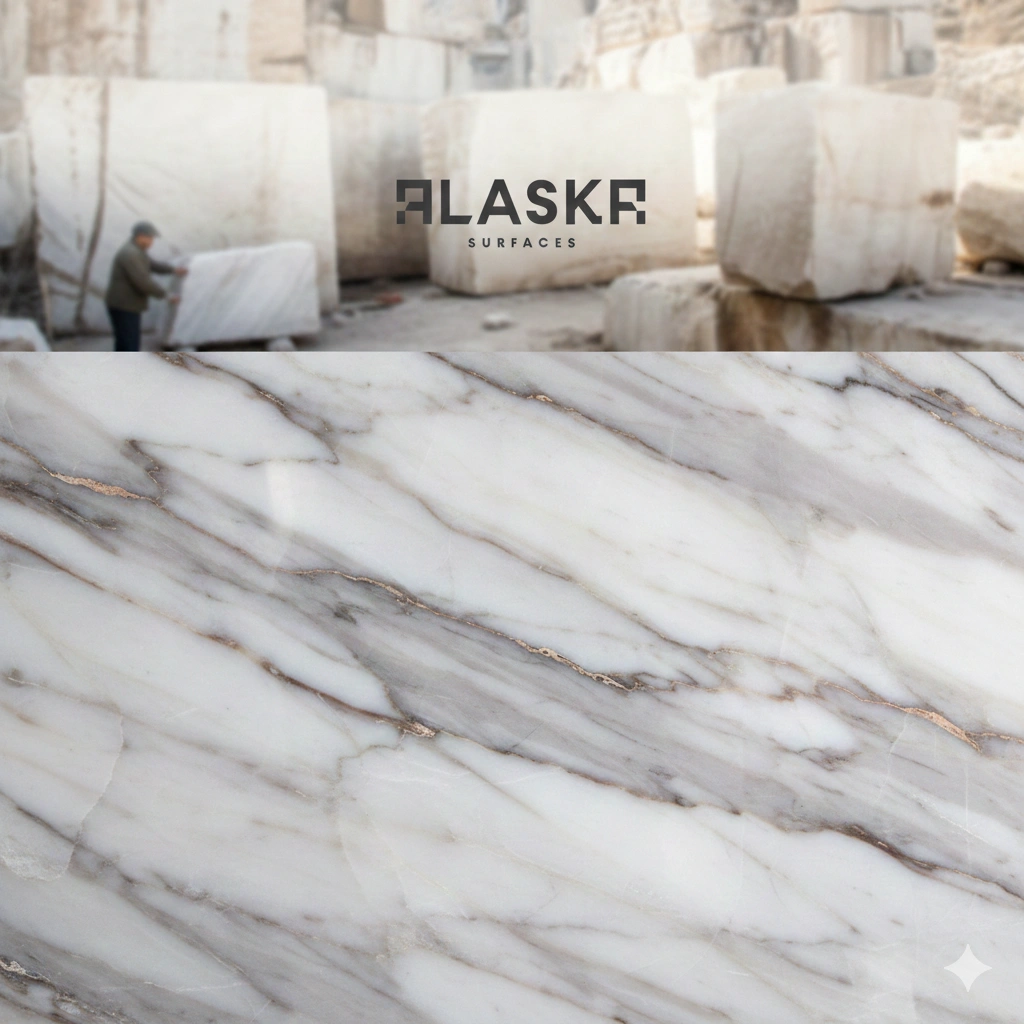
Natural marble is a premium stone formed over millions of years through the metamorphism of limestone under intense heat and pressure. Each slab of marble is unique, showcasing natural veins and color variations that no artificial material can exactly replicate.
Types of Marble
Some of the most popular varieties include:
-
Calacatta marble: Known for bold veining and luxurious appeal
-
Carrara marble: Softer veins and classic white tone
-
Indian marble varieties like Makrana
Why Marble Is Considered Premium
Marble stone has been used for centuries in palaces, temples, sculptures, and luxury homes. Its natural beauty, depth, and elegance make it a symbol of sophistication.
Marble is commonly used for:
-
Marble flooring in living rooms and lobbies
-
Marble floor tiles in premium interiors
-
Marble kitchen worktops and marble countertops
-
Feature walls using marble subway tile
Satvario Tiles vs Natural Marble: Detailed Comparison
| Comparison Parameter | Satvario Tiles | Natural Marble |
|---|---|---|
| Material Type | Engineered ceramic / vitrified tiles | Natural marble stone |
| Appearance | Uniform patterns, marble-look designs inspired by Calacatta marble | Unique natural veining; no two slabs are the same |
| Design Options | Available in white satvario tiles, black satvario tiles, matte & polished finishes | Limited to natural colors and vein patterns |
| Durability | Highly durable, scratch and impact resistant | Softer stone; prone to scratches and chips |
| Water Absorption | Very low (near zero) – ideal vitrified tiles | Porous; absorbs water if not sealed |
| Stain Resistance | Excellent stain resistance | Prone to staining from oils, acids, and spills |
| Maintenance | Low maintenance; easy to clean | High maintenance; requires sealing and special care |
| Slip Resistance | Matte and satin finishes offer good grip | Polished marble flooring can be slippery |
| Installation | Easy and faster installation | Requires skilled labor and careful handling |
| Repair & Replacement | Individual floor tiles can be replaced easily | Repairs are difficult; replacement may mismatch |
| Cost | Affordable and predictable satvario tiles price | Expensive material and installation |
| Best Usage Areas | Kitchens, bathrooms, commercial spaces, high-traffic floors | Luxury living rooms, low-traffic premium areas |
| Kitchen Suitability | Ideal for satvario tiles for kitchen floors & walls | Marble kitchen worktops need regular care |
| Longevity | Long-lasting with minimal care | Long life but only with proper maintenance |
Pros and Cons of Satvario Tiles
Pros of Satvario Tiles
-
Cost-effective compared to natural marble
-
Low water absorption perfect for kitchens and bathrooms
-
Highly durable vitrified tiles suitable for high-traffic areas
-
Easy maintenance and cleaning
-
Available in multiple finishes and sizes
-
Consistent design and color across batches
-
Ideal alternative to marble floor tiles and marble subway tile
Cons of Satvario Tiles
-
Lacks the natural uniqueness of marble stone
-
Premium designs may still cost more than basic floor tiles
-
Artificial patterns may not appeal to purists
Pros and Cons of Natural Marble
Pros of Natural Marble
-
Natural beauty with unique veining
-
Premium and luxurious appeal
-
Enhances property value
-
Ideal for marble flooring, marble tiles, and statement interiors
-
Popular choices include Calacatta marble and other classic varieties
Cons of Natural Marble
-
Expensive material and installation costs
-
High maintenance sealing required
-
Prone to stains, scratches, and etching
-
Not ideal for high-traffic or wet areas
-
Marble countertops and marble kitchen worktops need careful usage
Best Applications & Use Cases
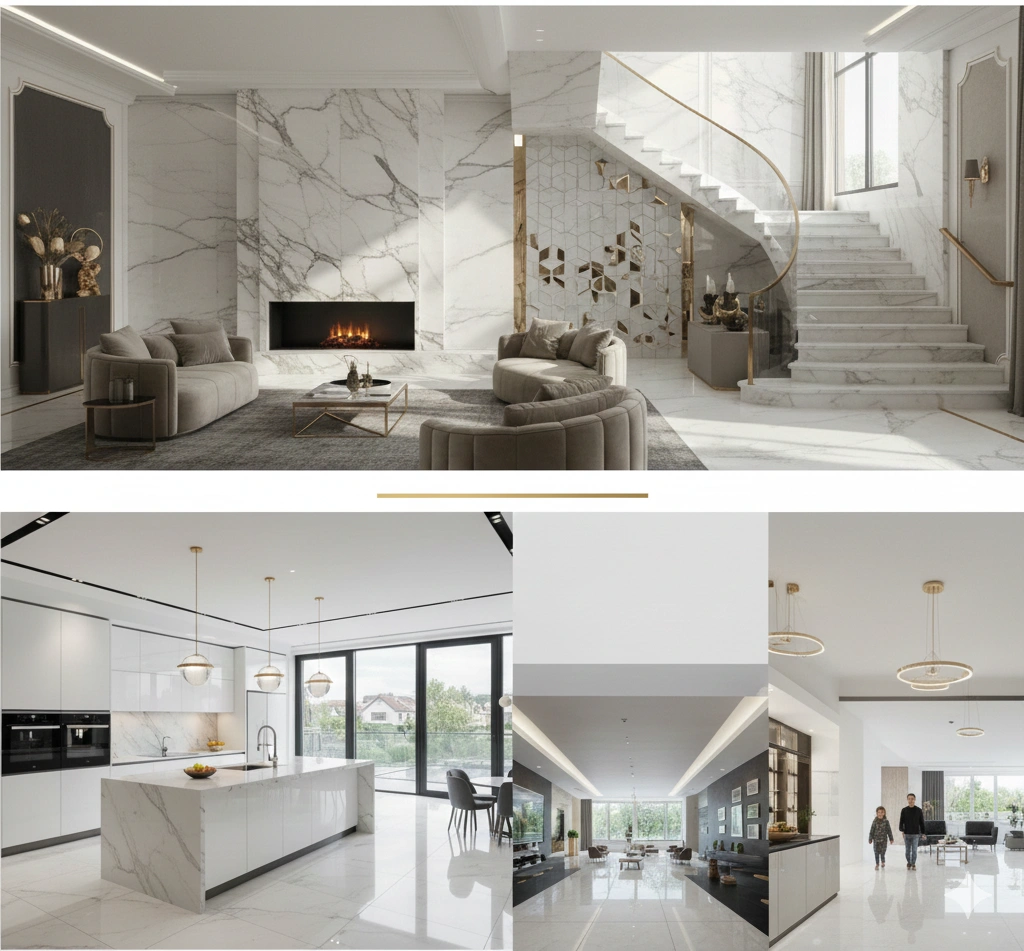
Natural Marble Is Best For:
-
Luxury living rooms
-
Statement staircases
-
Low-traffic premium spaces
-
Decorative walls using marble subway tile
Satvario Tiles Are Best For:
-
Kitchens and bathrooms
-
Commercial buildings
-
High-traffic residential floors
-
Cost-sensitive projects
Both marble flooring and satvario floor tiles have their place it depends on usage, budget, and maintenance expectations.
Expert Opinion: Which One Should You Choose?
Before deciding between satvario tiles and natural marble, consider:
-
Foot traffic levels
-
Exposure to water and stains
-
Maintenance capability
-
Budget constraints
-
Desired design consistency
If you love the look of marble but want durability, marble-look satvario tiles are an excellent alternative.If you want luxury without ongoing maintenance, satvario tiles are the smarter choice. They offer the elegance of marble tiles with superior performance and cost efficiency.
Natural marble remains ideal for those seeking authenticity and exclusivity, provided they are ready for regular upkeep.For modern homes, especially kitchens and high-traffic flooring, satvario tiles deliver better long-term value.
Why Choose Premium Surfaces from Alaska Surfaces?
Alaska Surfaces specializes in premium stone-inspired surfaces that seamlessly combine refined aesthetics with long-lasting performance. Their curated satvario tiles collections are crafted to replicate the elegance of natural marble while offering superior consistency, durability, and ease of maintenance. Every surface reflects precision manufacturing, controlled veining, and balanced color tones suited for modern architectural needs.
With a strong focus on quality, innovation, and design reliability, Alaska Surfaces delivers solutions trusted by architects, interior designers, and homeowners alike. Their products are engineered for real-world usage, ensuring visual elegance without frequent upkeep. From residential interiors to large commercial projects, Alaska Surfaces stands for surfaces that perform as beautifully as they look.
Conclusion
The choice between satvario tiles vs natural marble ultimately depends on lifestyle, budget, and the functional demands of the space. While natural marble offers timeless beauty and unique veining, it requires careful handling, regular maintenance, and higher long-term investment. Satvario tiles, on the other hand, provide a practical alternative without compromising on visual appeal.
For contemporary interiors that demand durability, consistency, and cost efficiency, satvario tiles emerge as a future-ready solution. Their resistance to stains, moisture, and wear makes them ideal for modern homes and commercial environments. By balancing luxury with practicality, satvario tiles deliver lasting value for today’s evolving design needs.
FAQs
1. Are satvario tiles better than natural marble?
Satvario tiles are more durable, affordable, and easier to maintain than natural marble.
2. Do satvario tiles look like real marble?
Yes, modern satvario tiles closely replicate marble stone aesthetics, including calacatta marble patterns.
3. Is marble flooring hard to maintain?
Yes, marble flooring requires sealing and careful cleaning to prevent stains and etching.
4. Which is more cost-effective: satvario tiles or marble?
Satvario tiles are significantly more cost-effective over time.
5. Can satvario tiles be used in kitchens?
Yes, satvario tiles for kitchen applications are highly recommended due to stain resistance.